
There’s this little yellow house I’m quite fond of in my hometown. Clad in the same cheerful shade of sunshine for as long as I’ve lived here, she stands—narrow and diminutive—but oh, is she coy. Capturing her essence in photos is a bit of a challenge. Like a shy child, she peeks out from behind towering trees which most likely have been her age-old companions. And while we try to mind our P’s and Q’s, for one can never ask a lady to reveal her age, I’d bet my bonnet she dates back to the late 1880s. However, let’s not mistake her timidity and coyness for frailty. After all, she has withstood the test of time for over 130 years.
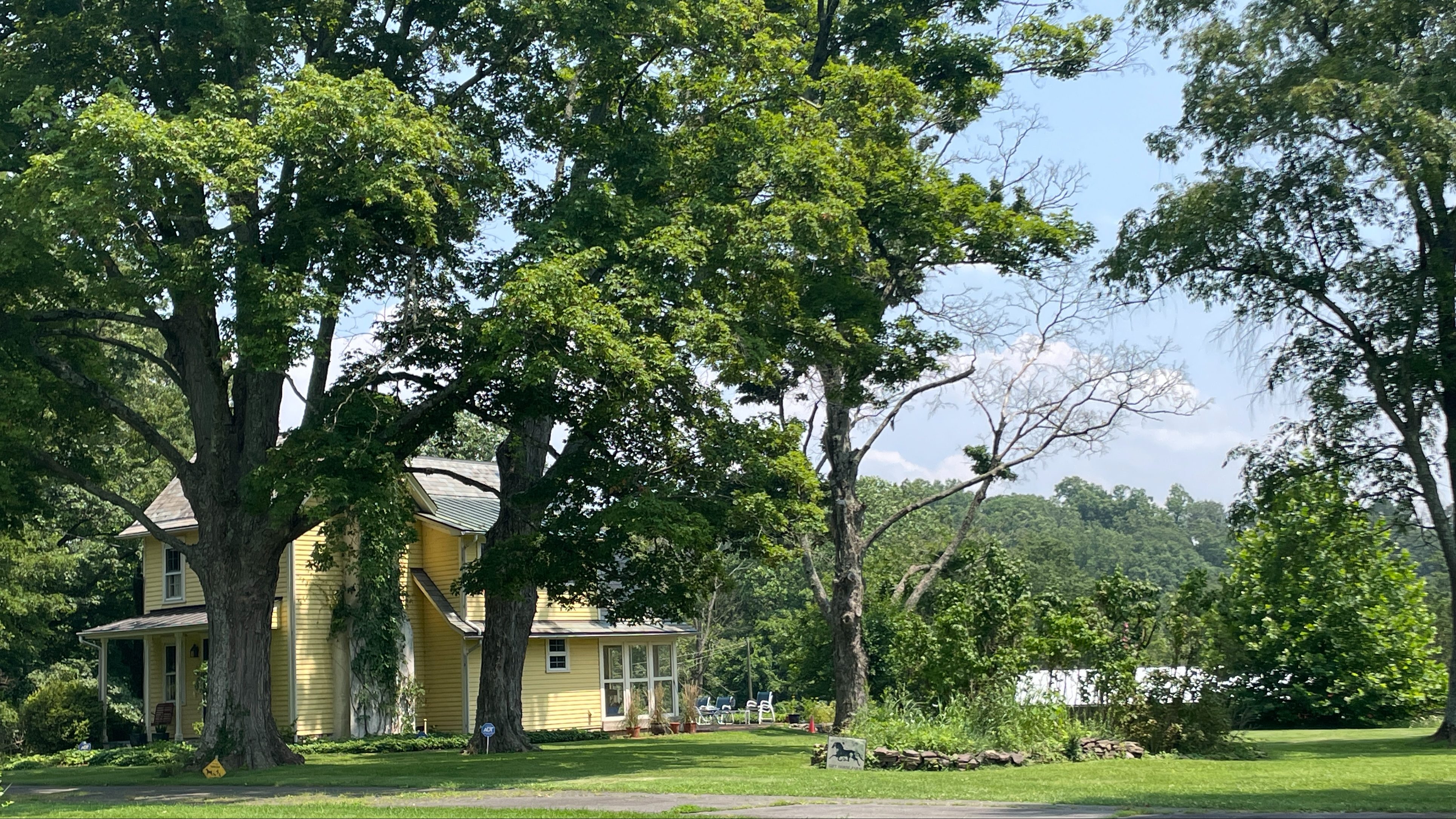
In her architectural style lies another contradiction: She is what some might refer to as a ‘Poor Man’s Victorian.’ But don’t be misled by this seemingly humble designation. Far from indicating any deficiency, it underscores a preference for simplicity and understatement. While many see her and think ‘farmhouse,’ there’s a rich tapestry of history and design woven into her beams and clapboard, no matter the nomenclature.
Growing up in a ‘Poor Man’s Victorian’ about an hour and a half southeast of here, it is a term of endearment to me. My mother explained the terms is not necessarily a nod to one’s coffers. Instead, a ‘Poor Man’s Victorian’, much like its inhabitants, wasn’t built to show off to family and friends or to people who came calling. Unlike their ornate Victorian counterparts from the same era, these homes whispered a hint about the people who resided within them. They were hardworking, industrious, practical people.
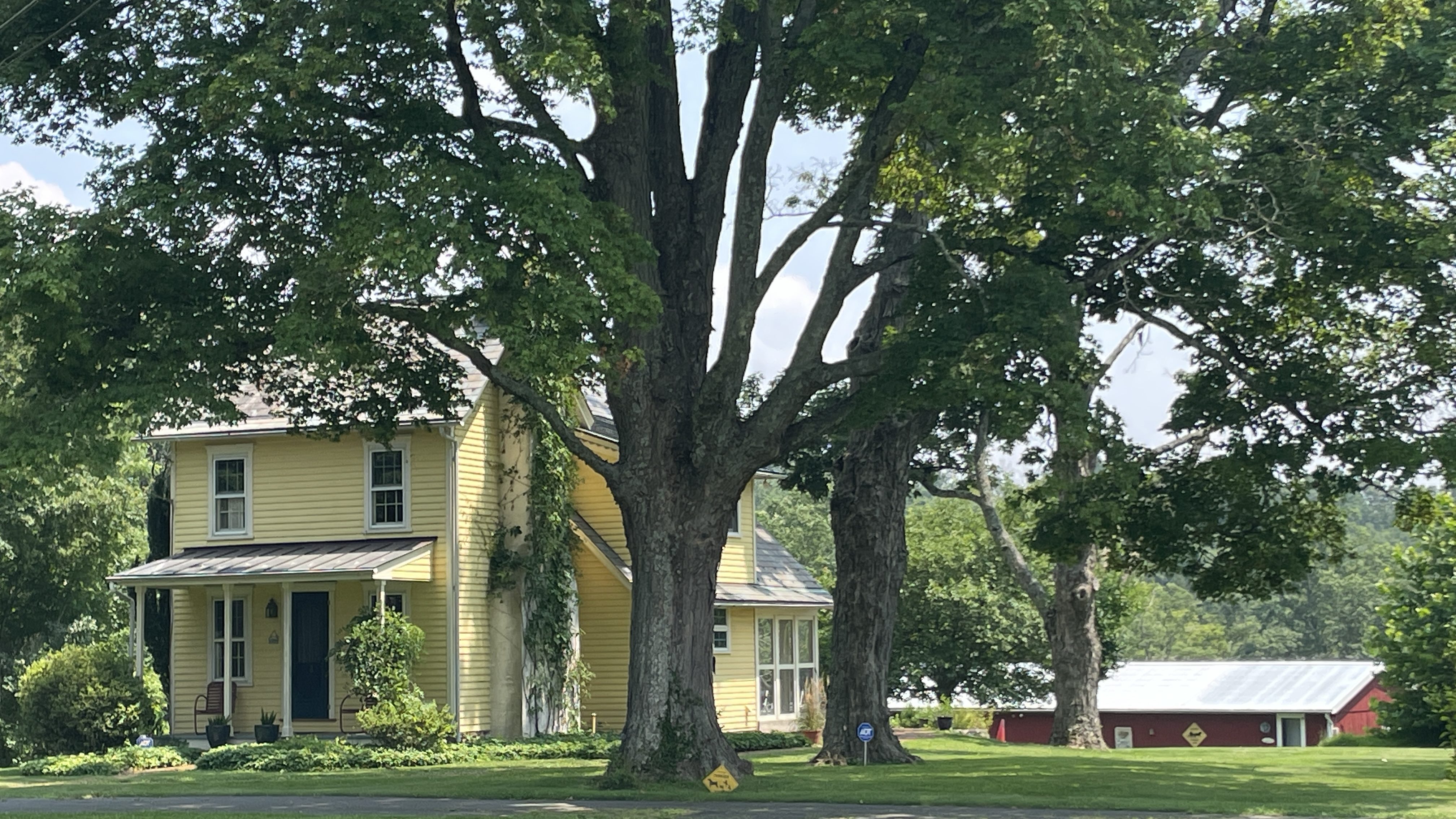
It’s this practicality of a farmhouse that is most appealing to me. It doesn’t make excuses like, “Please forgive the lack of turrets on my roofline or masterfully turned woodwork on my front porch. I might not be as fancy as my Queen Anne neighbor, but my front porch works just the same. Sure, we sit in rocking chairs and talk and laugh and idle away the hours. Except when we idle, our hands remain busy. We churn butter here, shuck corn and peas here. And guess what? Our sweet tea is just as sweet. Maybe sweeter.”
Now, I’m not sure farmers’ wives and children actually churned butter on their front porches or if that’s an illusion I purchased from Hollywood’s romanticized notion of a bygone era. But old houses do that for me: They conjure up imagery of those who first settled here and fill me with wonder.
Were they as happy as the paint color on this exterior? Did the lady of the house bake the best blueberry pie in the summer or apple cobbler in the fall? Did they line their pantry with neat rows of mason jars filled with summer peaches awaiting the first wintry snow? Did they give birth upstairs and raise children here whose bare feet wore the floorboards as smooth as the river stone? Did their first born daughter descend these stairs on her wedding day in a fluffy dress of white? Did they draw their final breath upstairs in the very same bed where life once began?
Was life simpler than? We like to think so. Some things were simpler and other ts more complicated. Some things today are simpler comparatively while other aspects of contemporary living are indeed more complicated. I think what we are really saying is that perhaps it appears to us that people had less distractions, less choices. Perhaps they lived in the same home the entirety of their adulthood. Perhaps they remained married to the same person. Perhaps they remained in the same industry from early adulthood until they could no longer work. Were they happier? Who’s to say. But it’s fun to imagine.
All I know is when I gaze upon this sunny example of 1880s architectural, it allows me to travel through time. My eyes can take in her elegant simplicity and enjoy the unchanged pastoral views that surround her—the same views she has gazed upon for more than 130 years. I dare say she appears today much as she did on the day her threshold was first crossed by the first farmers who called her home. In this way, perhaps we can say that vintage homes are time straddlers, living simultaneously in the here-and-now and in yesteryear.
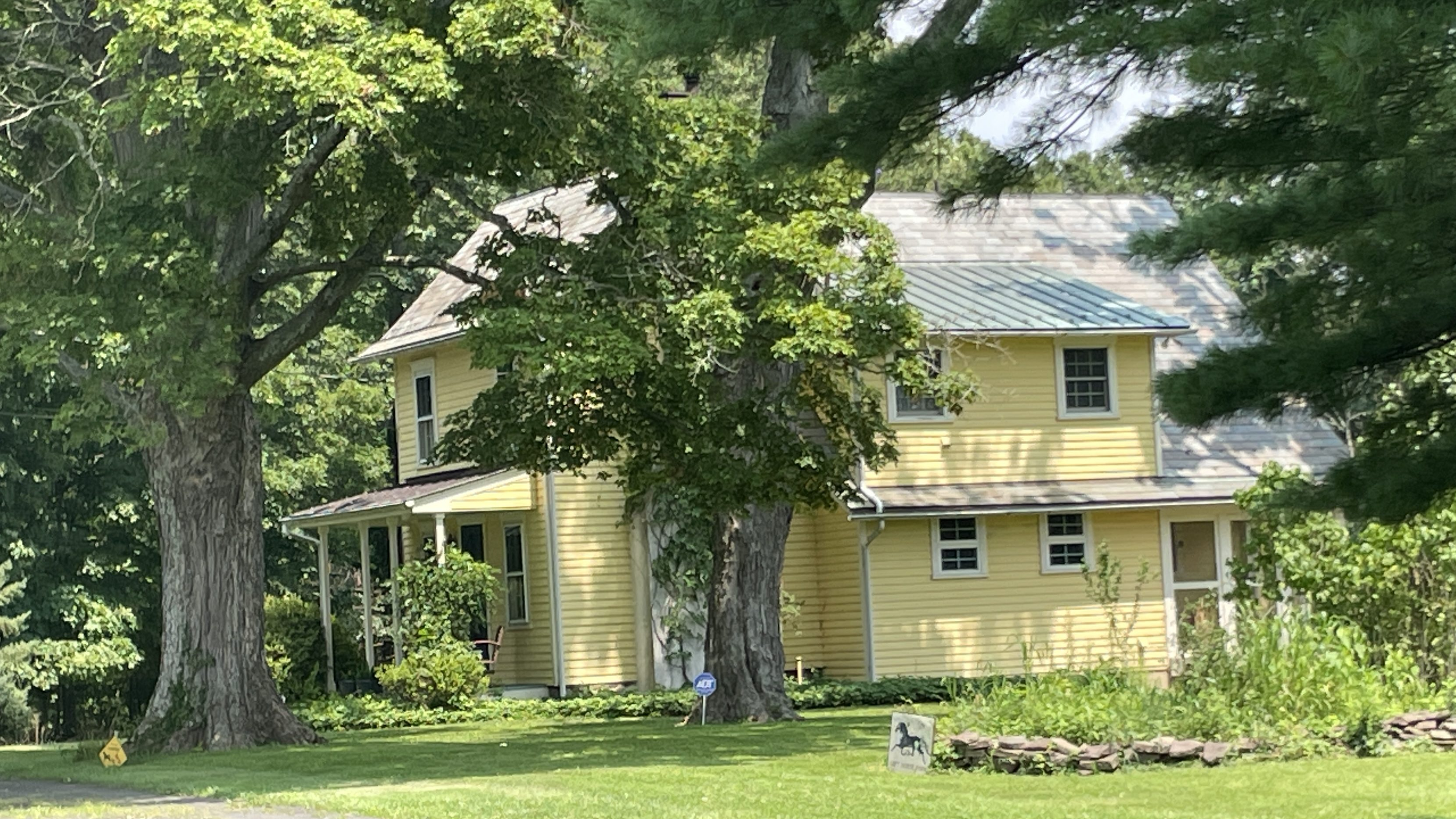
And for these reasons, this latest Best Nest recipient is indeed ‘the real McCoy’, radiating a quiet confidence with a timeless spirit which is forever-young. She might be over 130 years young, but she doesn’t appear a day over twenty. Her ageless charm has been lovingly maintained and earns these Homeowner’s the next Best Nest Award. After all, it is a labor of love, patience, expertise (and a bit of coin) to ensure this lovely lady remains the Bees Knees.
Well done, homeowners, for being fastidious stewards of this charmer and keeping her in tip-top shape! Well done, you!
 bestnestaward.com
Leave a comment