
Let’s admit it. Our culture has indeed succumbed to the never-ending, rapid cycle of planned obsolescence. Just like Pavlov’s dogs, we’re conditioned to crave the latest phones, computers, televisions, cars… Even the ‘Great Resignation’ of Covid can be viewed as a sort of career obsolescence, with over 47 million people leaving their jobs in pursuit of something new and better.
Now, don’t get me wrong—there’s no denying the courage it takes to leave the familiar in search of a new career path. But let’s consider that maybe our inclination for job-hopping stems from this now ubiquitous attitude of planned obsolescence. As a realtor, I can’t help but wonder how much this mindset is the motivation driving our impulse to change addresses.
There’s no question that sometimes moving is your best solution to your real estate woes. However, I’d like to suggest that before you pound that For Sale sign in your front yard, take a moment to consider whether your ideal solution has been under your nose all along, hidden within the walls of your existing home. And in the end, perhaps like Dorothy from the Wizard of Oz, you’ll be repeating, “There’s no place like home. There’s no place like home.”
With our ever-changing lifestyles comes shifting requirements of our living spaces. But instead of looking for a new address, could an expertly planned renovation meet your evolving needs more effectively? And, if remodeling is possible, consider how you can transform your space into a sustainable, future-proof haven. Let’s transition from embracing the ‘Planned Obsolescence’ thrust upon us and retaliate with a new vision—’Sustained Usability’.
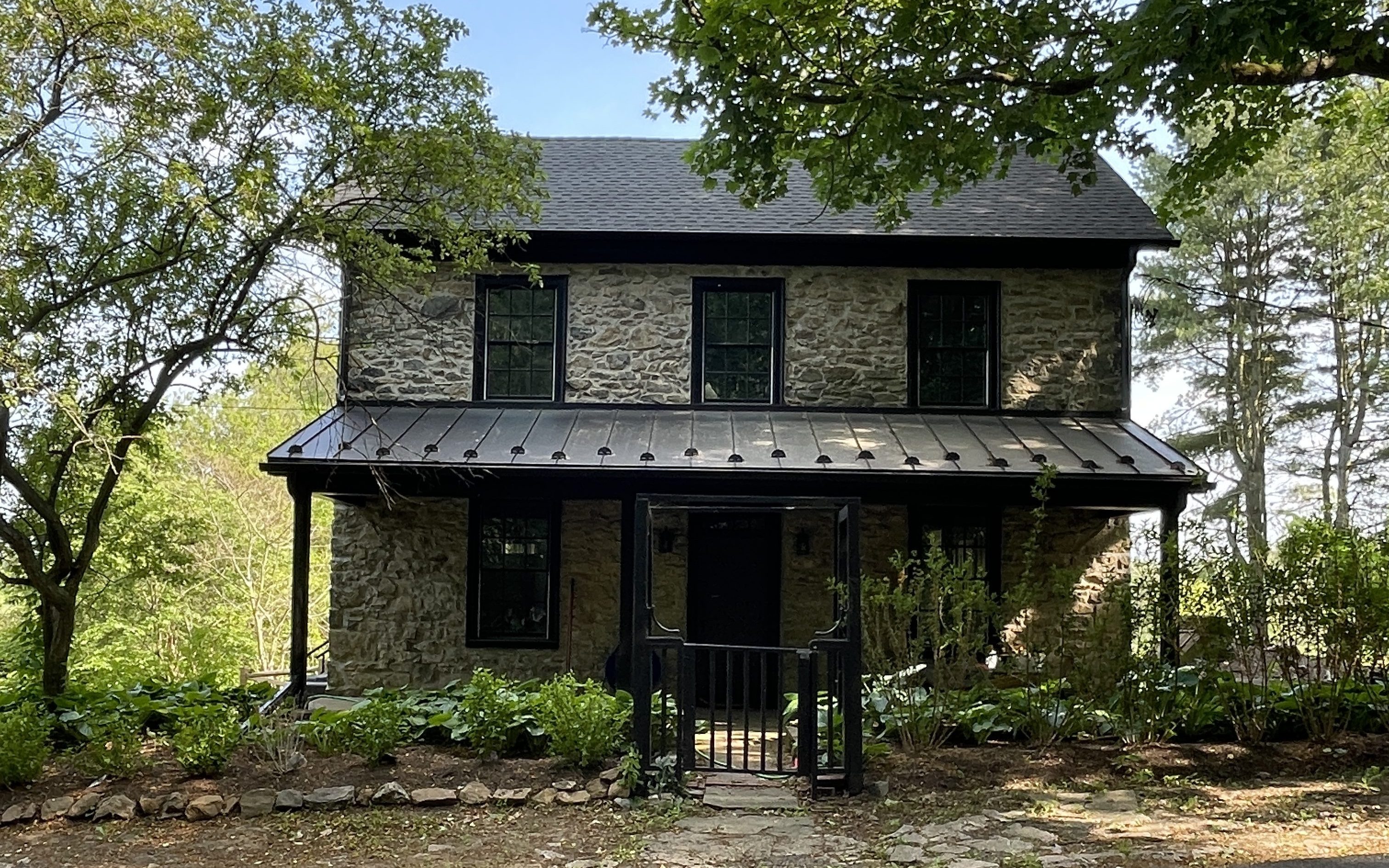
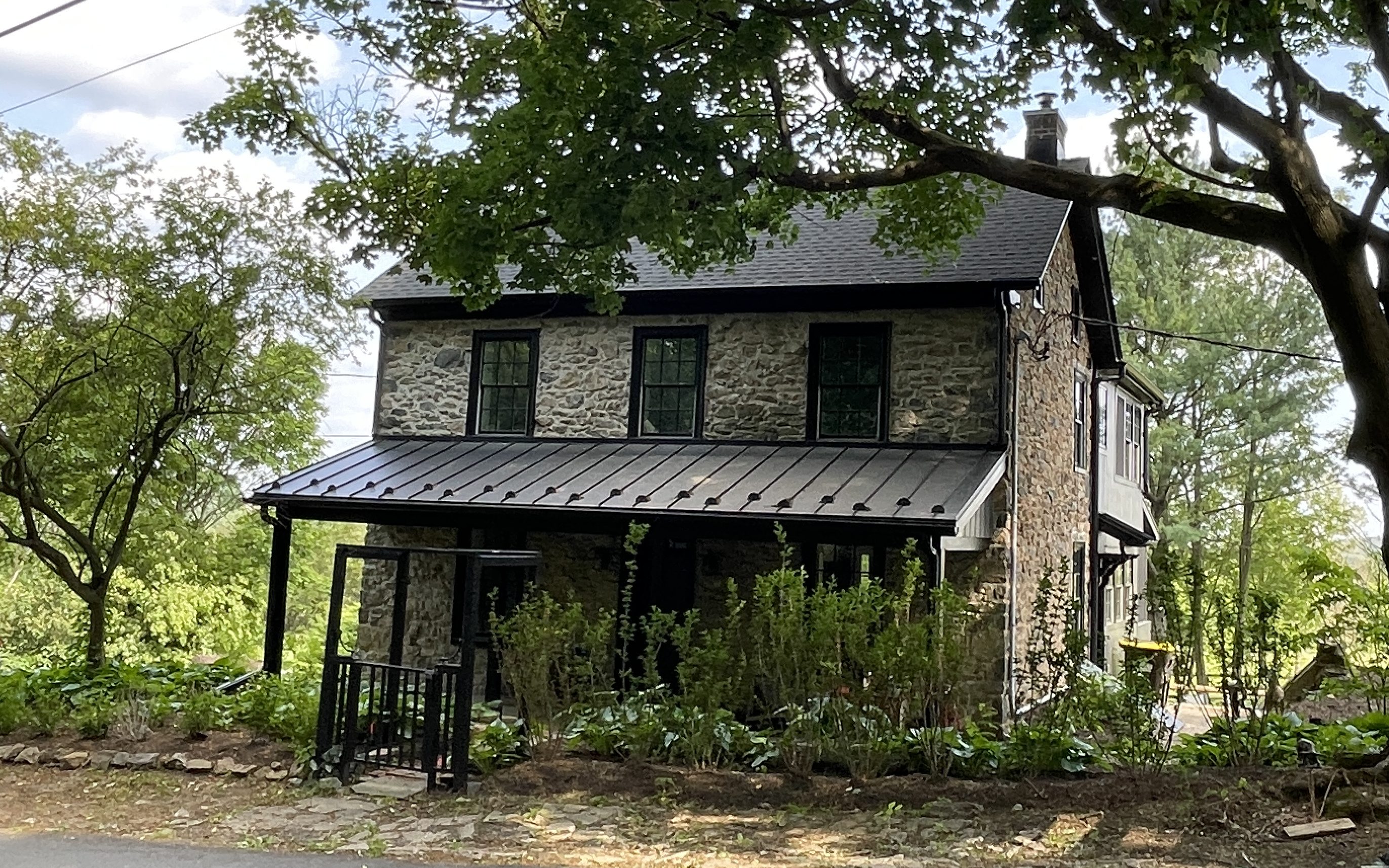
And it is with this refreshed perspective that I’d like to present today’s Best Nest winner. These savvy homeowners successfully elevated their home with an addition that empowers, not overpowers, their home’s enchanting, vintage charm.
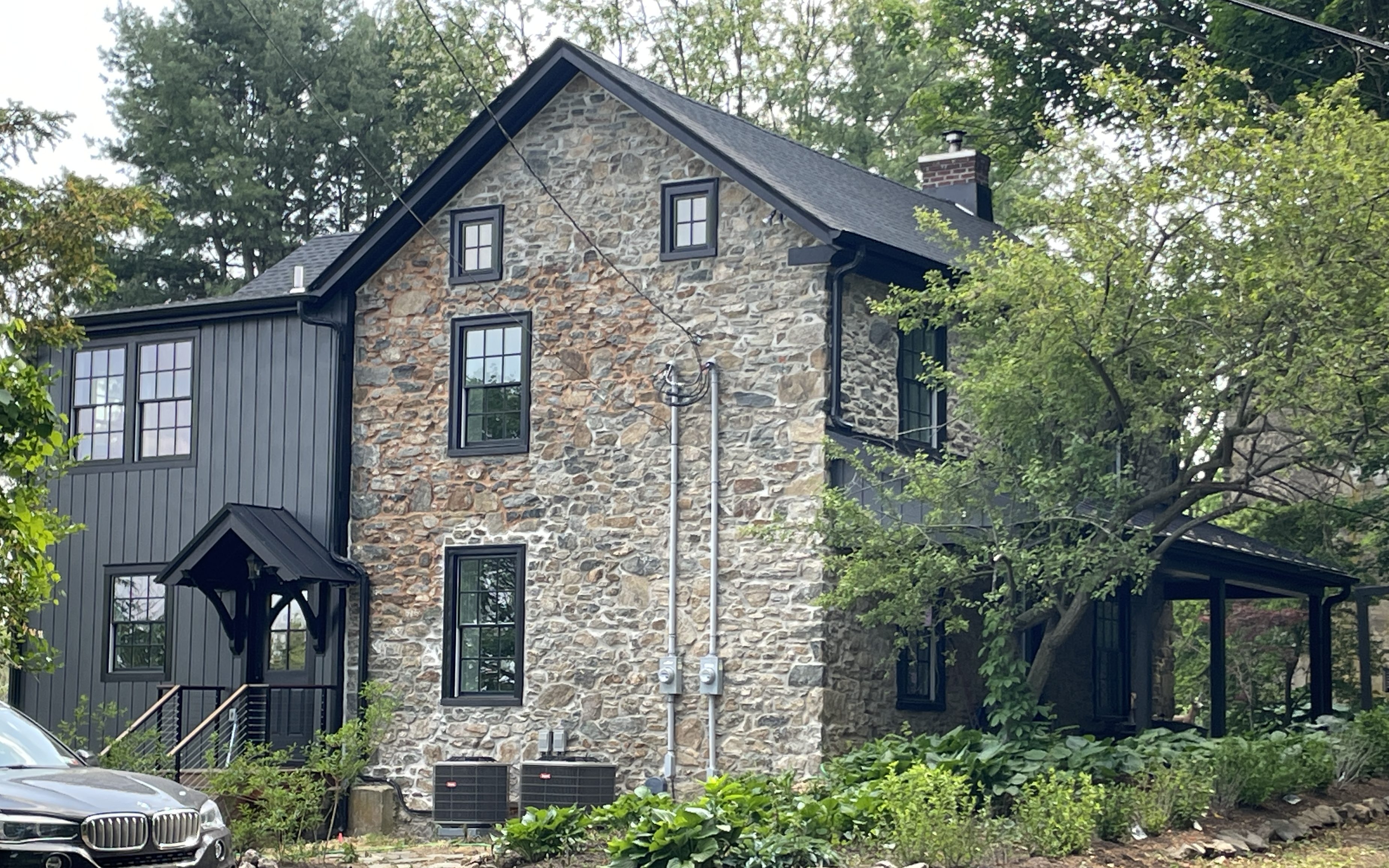
What I LOVE about this home is the recent addition does not try to mask or replace the original section of the home. Instead it accentuates it through a beautifully executed renovation off the back. This successful merging is achieved through the use of a repeated color palette, blending the old with the new. The same graphite-burnished brown that outlines each window, gutter, column and standing seam porch roof in the original section of the home, washes the newer section in a
monotone quietness that is bold, yet not brash. Balance and harmony are achieved through the use of this unifying color, serving as a bold affirmation of continuity, stating, “I, the new section of this home, am an extension of the old”. And, in this way, it makes the addition stand in line behind the old as if to say, “No, please, after you. I insist.”
And insist, it does. It allows space for the stonework to shine and take center stage. After all, the colonial period in American architect is miraculous. How many homes built today will be able to boast its endurance 200 years later? Not many is my guess. This blending of the new with the old must aim to augment, never argue.
During the challenging years of Covid and its aftermath, we’ve learned much about transitioning and pivoting. Not all of it graceful… I would like to think that we all came away having learned a thing or two from those challenges. One of them I hope is to cherish the old and familiar. Sometimes, it is the old and familiar that provides the most comfort. Rather than replacing it or tearing it down, we should raise it to a new, shinier version of itself. Imagine all that has passed by these windows and the stories and lessons this home could tell…
And so I say, well done, homeowners! Well done, you, for allowing the old to be heightened and not lessened by your masterful blending of the old and the new and for being forward thinkers of Sustained Usability.


Leave a Reply